

Finding the Best Parakeet Food: A Bird Owner’s Honest Guide
 Last updated: December 17, 2025
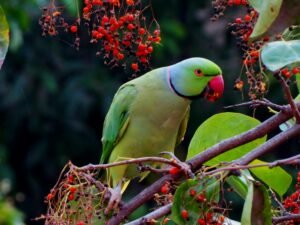
Searching for the perfect parakeet food can feel overwhelming. After a decade of trial, error, and countless messy food experiments, I’ve learned that the right parakeet food isn’t found in any single bag—it’s a balanced lifestyle. Here’s my honest, real-world guide to cutting through the confusion and finding what truly works.
The Seed Mix Myth: Why One Bag Isn’t Enough Parakeet Food
If you ask any big-box pet store for parakeet food, they’ll likely hand you a colorful bag of seeds. Here’s the hard truth: a seed-only diet is the most common mistake new owners make. Think of it like feeding a kid fast food for every meal. It fills their belly but fails their body.
A 100% seed-based parakeet food plan is dangerously high in fat and low in the vitamins (like Vitamin A) and calcium that these active little birds need to thrive. This outdated approach to parakeet food can shorten their lifespan and lead to expensive vet bills. I learned this the hard way with my first bird, whose feathers went dull on a seed-only menu.
Building a Better Parakeet Food Plan
The healthiest parakeet food strategy is built on variety. Ditch the idea of a single solution and embrace these four pillars.
1. The Nutritional Foundation: Pellets
Think of high-quality, plain pellets as the wholesome “base layer” of your parakeet food plan. They’re formulated to prevent picky eating and ensure balanced nutrition. Transition slowly by mixing them into your bird’s current diet over several weeks.
2. The Daily Fresh Fix: Vegetables
Fresh produce is the most exciting part of a modern parakeet food routine. It’s non-negotiable. My flock gets a daily rotation of dark leafy greens (kale, cilantro), crunchy veggies (bell peppers, broccoli), and the occasional cooked sweet potato. This is where their diet comes alive with color and nutrients.
3. Seeds as a Supplement, Not a Staple
Seeds still have a place in a thoughtful parakeet food plan, but as a treat or training tool—not the main course. I use a small amount of a quality mix for foraging games and reserve spray millet as a high-value reward.
4. Occasional Sweet Treats: Fruit
Fruit is nature’s candy. Offer small amounts of berries, apple slices (no seeds!), or melon just a few times a week as part of a varied parakeet food menu.
The Essentials No Parakeet Food Guide Should Skip
Beyond what’s in the bowl, two items are critical:
-
Cuttlebone/Mineral Block: Provides essential calcium. This should always be available in their cage.
-
Fresh, Clean Water: Changed daily without exception. Hydration is a key part of any parakeet food and care routine.
What to Absolutely Exclude from Your Parakeet Food
Some foods are dangerous. Never include these in your parakeet food planning:
-
Avocado, chocolate, caffeine, alcohol
-
Onions, garlic
-
Apple seeds or fruit pits
-
Salty or sugary human snacks
A Sample Day of Real Parakeet Food
Here’s what a balanced parakeet food day looks like in my home:
-
Morning: Fresh pellets offered in their main dish
-
Late Afternoon: A tablespoon of chopped vegetables or a clipped leafy green
-
Evening/Bonding Time: A pinch of seeds used for training or hand-feeding
-
Constant Access: Clean water and cuttlebone
Your Top Parakeet Food Questions, Answered
Q: My parakeet only eats seeds from his parakeet food mix. How do I change this?
A: Patience is everything. Introduce new foods alongside familiar favorites. Eat the new veggies enthusiastically in front of your bird—they learn by watching their flock (that’s you!). It might take weeks, but consistency pays off.
Q: Is grit necessary for digesting parakeet food?
A: No. Parakeets hull their seeds before eating, so they don’t require insoluble grit for digestion. In fact, it can be harmful. The calcium in their cuttlebone is what they truly need.
Q: How much parakeet food does one bird actually eat daily?
A: Typically 1.5-2 tablespoons of total food per day, with the majority being pellets and fresh vegetables, supplemented lightly with seeds.
The Final Word on Parakeet Food
The journey to the ideal parakeet food is about moving beyond the single-bag solution. By combining nutritious pellets, daily vegetables, strategic seeds, and essential supplements, you create a parakeet food plan that supports vibrant health, energy, and longevity. This approach to parakeet food has transformed my birds’ health and can do the same for yours. Start with one small change this week—maybe adding a sprig of cilantro to their cage—and build from there. Your feathered friend will thank you with years of happy chirps.